
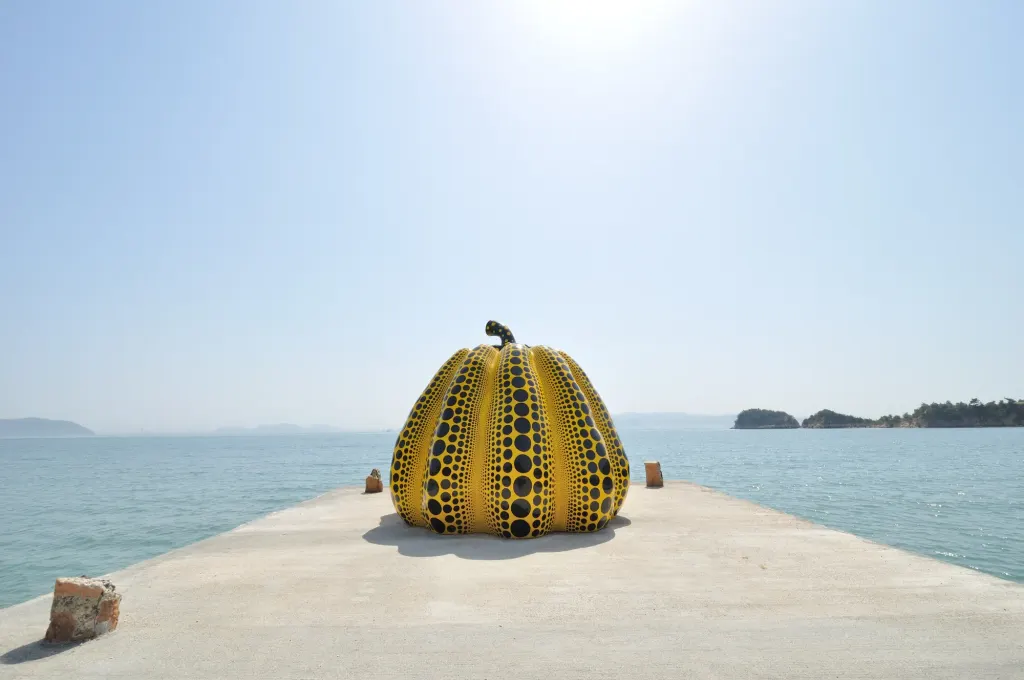
Ask a traveler what they know about Japan’s Seto Inland Sea, and you will almost always hear one word: Naoshima. The island of Yayoi Kusama’s yellow pumpkin and Tadao Ando’s concrete galleries has become one of the most famous art destinations on earth — and it deserves the reputation. But Naoshima is one island among hundreds. Spread between Honshu and Shikoku lies an entire inland sea of fishing villages, citrus groves, pilgrim ports, and islands where cats comfortably outnumber people — and where a ferry ticket costs less than a museum coffee.
This is a guide to the Setouchi beyond the art crowds: which islands to choose, how they differ, and three very different ways to travel among them.
Why the Inland Sea Feels Like Nowhere Else in Japan
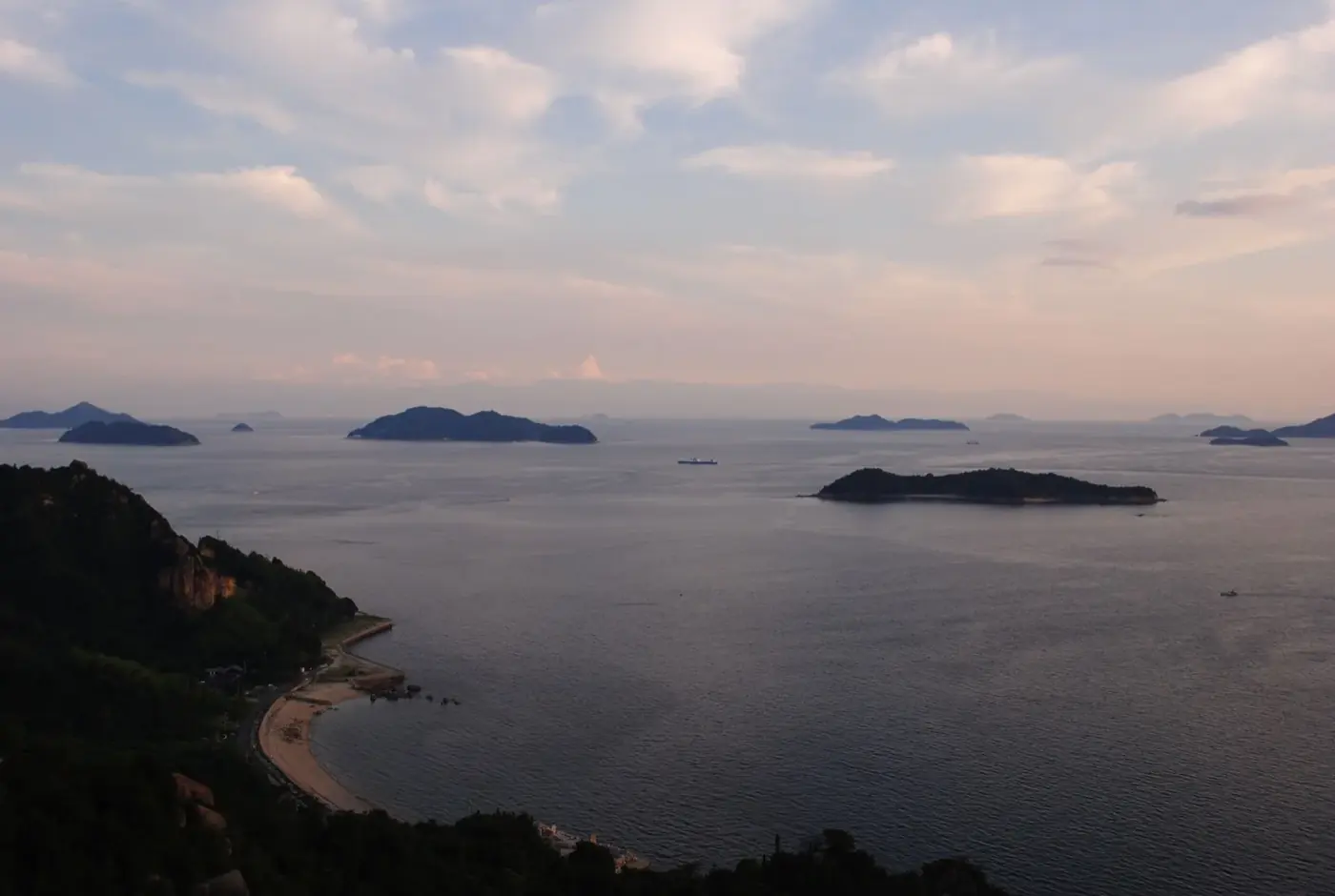
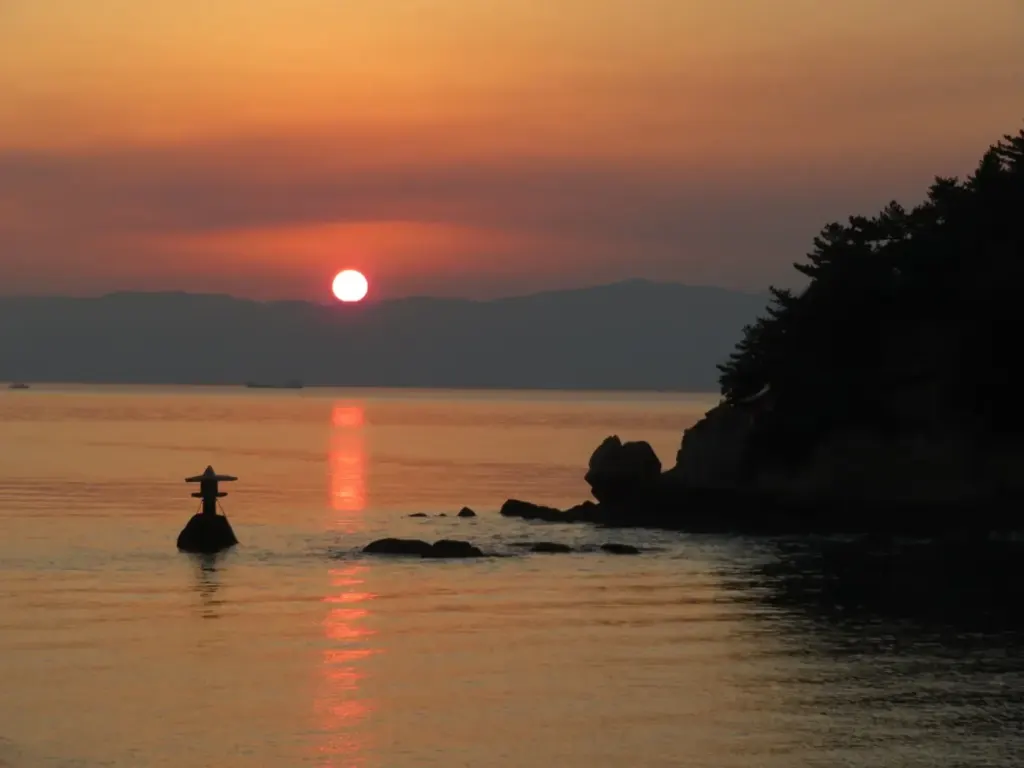
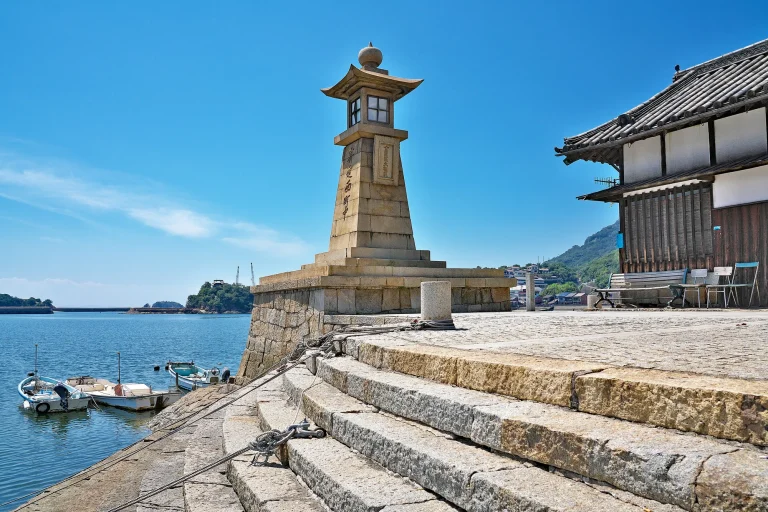
The Seto Inland Sea is less a sea than a slow-moving world of its own. Sheltered by mountains on every side, its waters are famously calm — a silver mirror at dawn, scattered with island silhouettes fading into haze. For centuries this was Japan’s great highway: the kitamaebune trading ships that linked Hokkaido to Osaka threaded these channels, and the port towns they enriched still keep their stone lanterns, merchant houses, and shrines facing the water.
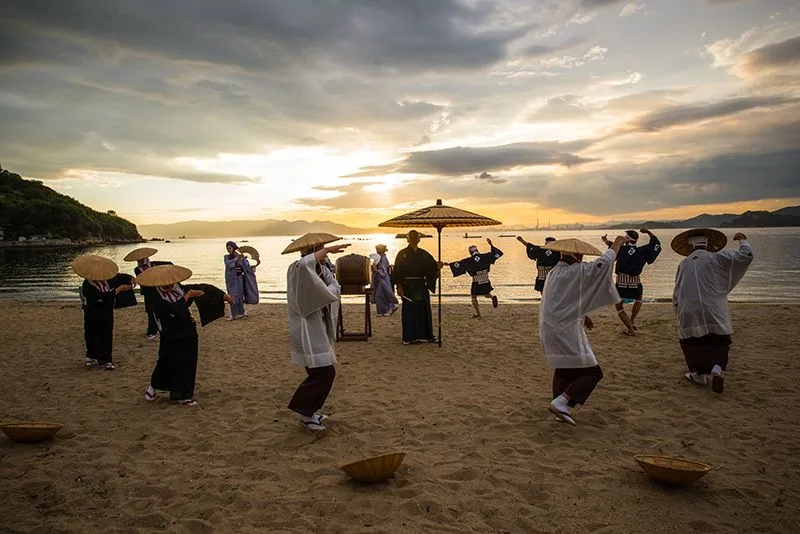
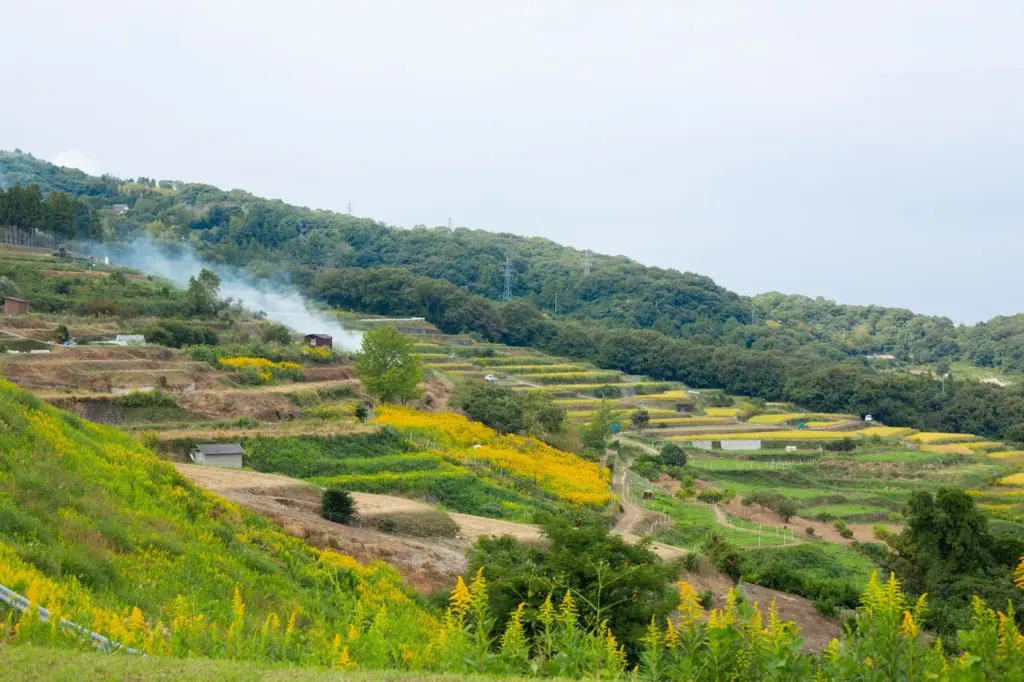
When the shipping routes moved on, the islands stayed put. That is precisely their charm today. Island time is real here: ferries run to schedules that reward the unhurried, elderly farmers tend terraced lemon groves, and the biggest event of the year might be a festival dance that has been performed for three hundred years. In an era when Kyoto’s lanes are shoulder to shoulder, the Inland Sea remains a place where you can hear your own footsteps.
The Famous One: Naoshima and the Art Islands
Let us be honest first: Naoshima is worth your time. The Chichu Art Museum’s Monet room, lit only by sky, is one of the great gallery experiences anywhere, and neighboring Teshima and Inujima carry the art-island idea into rice terraces and copper-refinery ruins. But fame has consequences. Chichu now requires timed tickets that sell out days or weeks ahead, the island’s few restaurants fill by noon, and in peak season the celebrated pumpkin has a photo queue.
The way to do Naoshima well is to do it deliberately — reserve the museums early, stay on the island after the day-trippers leave, and see the Ando buildings at dusk when the concrete glows. Our private Naoshima journey is built exactly around those quiet hours, from ¥347,300.
Beyond: The Islands Nobody Told You About
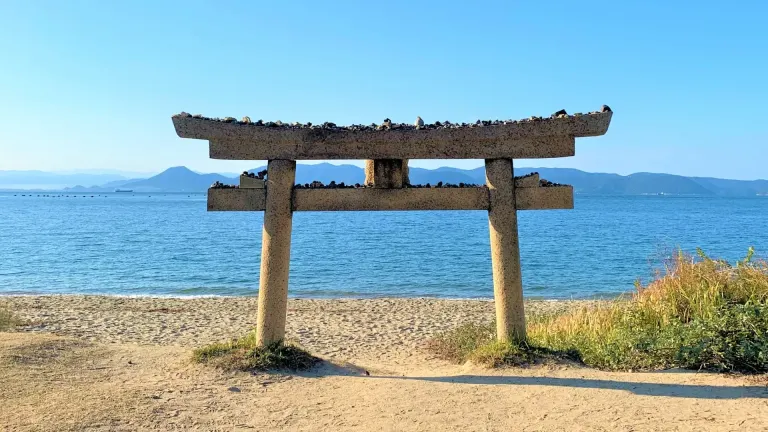
Sail west along the Okayama coast and the crowds simply vanish. The Kasaoka Islands — a small archipelago that few foreign travelers have ever heard of — hold everything people hope the Inland Sea will be. On Shiraishi Island, the summer Bon dance has been performed by lantern light for centuries, and the beach is the kind where you recognize everyone by their second evening. Manabeshima is Japan’s cat island in its purest form, famous enough that a French illustrator once spent three months there drawing every alley and fishing boat, yet still a place where the ferry’s arrival is the event of the afternoon.
Our writer Amy Chavez — who has lived on Shiraishi Island for decades — is preparing a feature that will take you island by island through the Kasaoka group.
Further west and south are the islands we weave into our 13-day hidden Setouchi journey (from ¥1,261,100): ports where octopus dries on lines in the sea breeze, hillside shrines reached by stone stairways through mandarin orchards, and guesthouses where dinner is whatever the boats brought in that morning. None of them are secrets exactly — they are simply places the itineraries skip.
The Third Way: By Bicycle
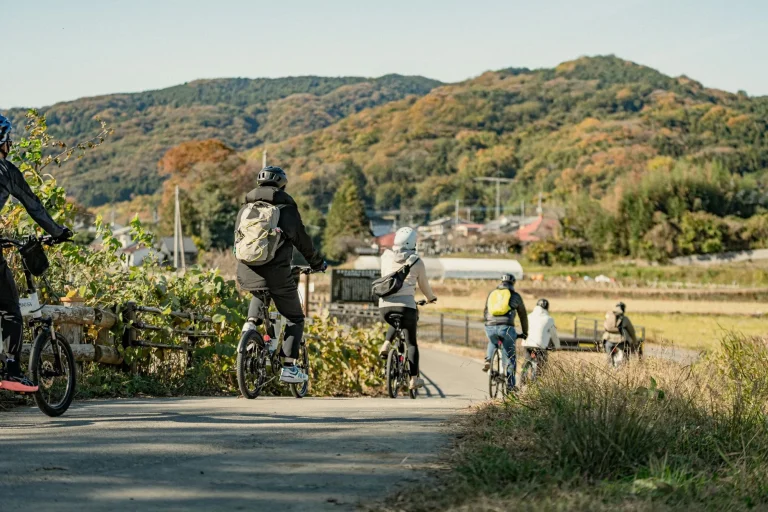
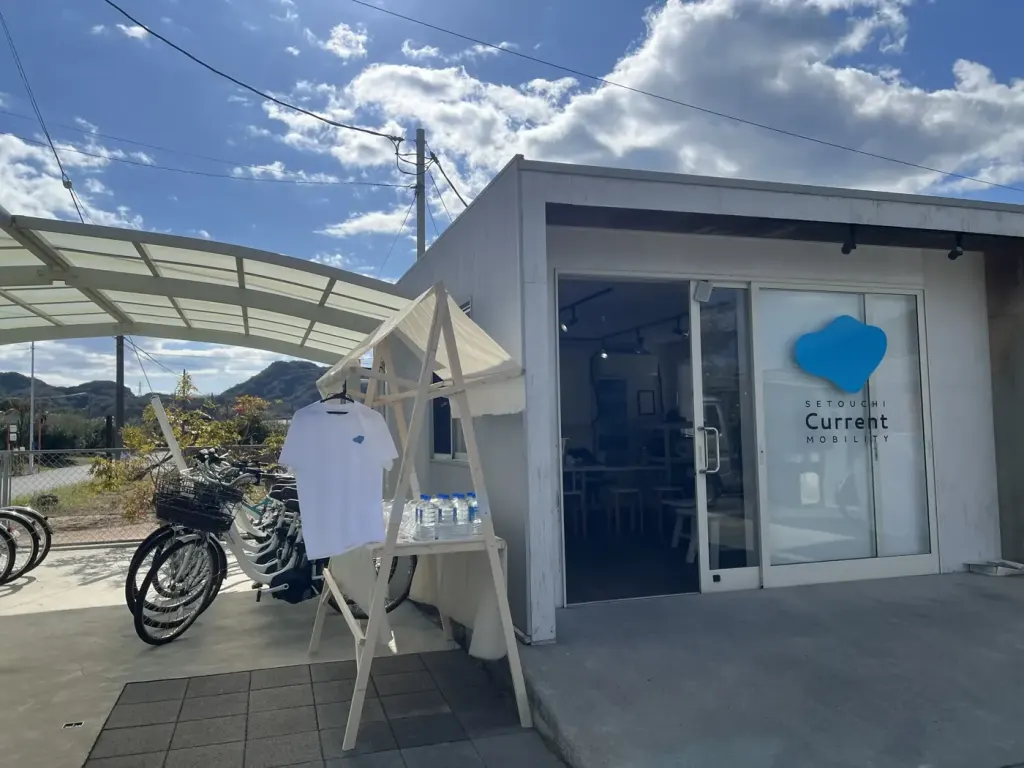
The Inland Sea is also home to some of the world’s most celebrated island cycling, where dedicated cycleways rise onto suspension bridges and drop you from island to island above the shipping lanes. Riding here is the rare experience that is equally good for serious cyclists and wobbly optimists: distances are honest, gradients are engineered for humans, and there is a citrus-juice stand or fishing-port lunch every few kilometers.
For riders who want to go deeper, our premium Shikoku cycling journey (from ¥1,204,700) pairs the island causeways with the mountain valleys of the least-visited of Japan’s four main islands — support vehicle included, hills optional.
Three Ways to Island-Hop, Side by Side
| Art Islands | Slow Islands | By Bicycle | |
|---|---|---|---|
| Best for | Architecture and contemporary art lovers | Travelers who want island life, not sights | Active travelers of any level |
| Signature moment | Monet by skylight at Chichu | A lantern-lit Bon dance on Shiraishi | Cresting a bridge with the sea on both sides |
| Crowds | Significant in season | Minimal, year-round | Light outside holidays |
| Typical length | 2–3 days | 3–5 days | 5–7 days |
| With Heartland Japan | Private Naoshima, from ¥347,300 | 13-day hidden Setouchi, from ¥1,261,100 | Shikoku cycling, from ¥1,204,700 — the Shimanami and Tobishima routes are also excellent |
Planning Notes
Ferries are the rhythm of the trip. They are cheap and reliable, but the last boats leave early — build your days around the timetable, not against it. Island accommodation is small-scale and books out around festivals, so reserve well ahead if your dates are fixed.
Seasons: spring and autumn are effortless; summer brings festivals, swimming, and heat in equal measure; winter is quiet, mild by Japanese standards, and startlingly beautiful when the morning mist sits on the water. The islands never really have a bad month — only different ones.
The honest advice: combine them. Two days of art, three days of slow islands, and the crossing by bicycle in between is, to our minds, the finest week the Inland Sea can offer — and we are happy to build it around you.
Frequently Asked Questions
Which Setouchi islands should I visit besides Naoshima?
Teshima and Inujima continue the art story with a fraction of the visitors; Shodoshima adds olive groves and soy-sauce breweries; and the Kasaoka Islands — Shiraishi, Manabeshima, and Kitagi — offer the unvarnished island life most visitors never find.
How do you get between the islands?
By ferry and sea taxi — the Inland Sea’s ports are connected by a dense web of local boats. Services are infrequent and rarely signed in English, which is why our island journeys handle every crossing for you.
When is the best time to visit the Seto Inland Sea?
Spring and autumn bring calm seas and mild walking weather. In Setouchi Triennale years the art islands surge with visitors — the quieter islands remain blissfully unaffected.
Is Naoshima worth visiting?
Absolutely — the Chichu Art Museum alone justifies the trip. Book tickets well ahead, go early, and then let the slower islands show you what the Inland Sea was like before the art world arrived.